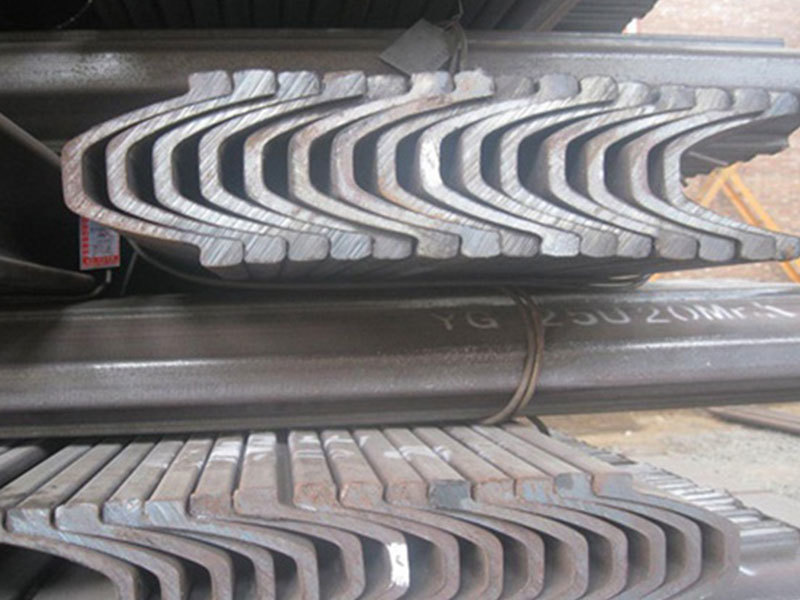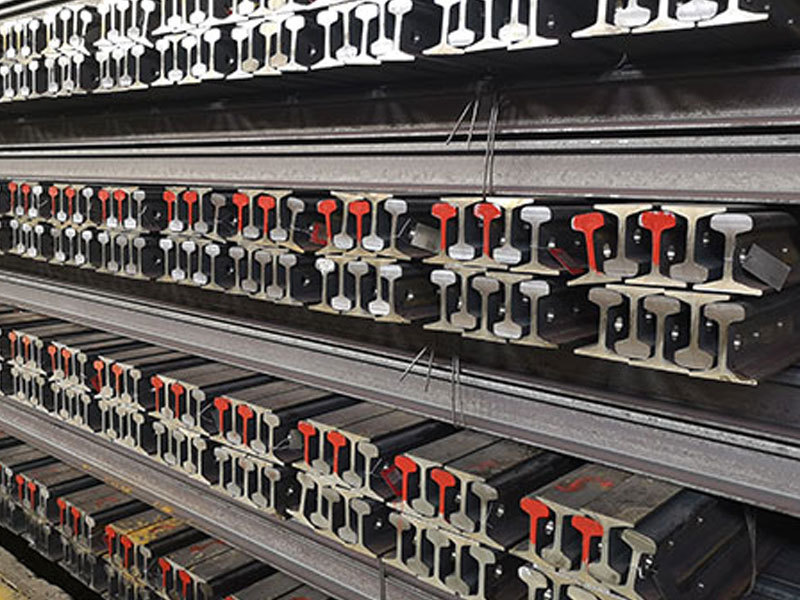
A brief overview of knowledge related to lifting rails.

When it comes to tracks, what often comes to mind are the steel rails used by trains. In fact, steel rails can be divided into railway tracks and crane tracks. For example, crane tracks and trolley tracks are mainly used for heavy-duty and precision load-bearing machinery (such as ground tracks for gantry cranes and crane tracks), and are widely used in fields such as port lifting, docks, warehouses, steel mills, power plants, shipyards, and large machinery factories. In China, crane tracks are extensively used in automated dock projects; nowadays, crane tracks have been vigorously promoted in ports such as Shanghai, Qingdao, Thailand, Vietnam, and Brazil.

Apr 18,2022

Size

When it comes to tracks, what most people think of first is the steel rails used by trains. In fact, steel rails can be divided into railway tracks andcrane tracks.For example, crane tracks and trolley tracks are mainly used for heavy-duty and precision load-bearing machinery (such as ground tracks for gantry cranes and crane tracks), and are widely used in ports, docks, warehouses, steel mills, power plants, shipyards, and large machinery factories. Domestically, crane tracks are widely used in automated dock projects; today, crane tracks have been vigorously promoted in ports such as Shanghai, Qingdao, Thailand, Vietnam, and Brazil.

Next, let's compare the differences between domestic and imported crane tracks.

Tensile strength: Domestic crane tracks generally stabilize at 690MPa, while imported tracks can reach 1080MPa. The commonly used strength is around 880MPa.

Track surface hardness: Domestic 880MPA, which is generally referred to as 90 kg level, has a hardness of about 220HB, while imported crane tracks of the same level generally guarantee a minimum hardness value of 260HB. The main reason for the difference is that foreign large manufacturers use a long process, controlling the key step of steelmaking themselves; while domestically, it is generally short process rolling mills, where the raw materials—steel billets—are sourced from different domestic factories, leading to unstable chemical composition of the billets.

Service life: The low strength of domestic tracks results in weak load-bearing capacity, significantly reducing their lifespan and stability. Imported crane tracks, due to full-process control over raw materials, ironmaking, steelmaking, and rolling, therefore have a longer lifespan and stability.

Overall cost: On the surface, domestic materials appear cheaper, but considering their shorter lifespan and overall costs, imported materials are relatively more cost-effective. For example, domestic materials guarantee a lifespan of 2 years, with a warranty of 1 year, averaging an annual cost of 2400 yuan; while imported crane tracks have a warranty of 8 years.

Therefore, in major projects, China basically uses imported crane tracks, as their longer lifespan not only ensures the long-term stable operation of the projects but also reduces overall maintenance costs. We believe that if Chinese steel mills want to win in the new round of global competition, they need to focus on refined production and small-batch production.


Detailed knowledge points about heavy rails: 1. **Definition**: Heavy rails refer to the type of railway track that is designed to support heavy loads and high-speed trains. They are typically made of steel and have a larger cross-section compared to light rails. 2. **Material**: Heavy rails are usually made from high-quality steel, which provides strength and durability. The steel is often treated to resist wear and corrosion. 3. **Weight**: The weight of heavy rails can vary, but they generally weigh between 50 to 80 kg per meter. The heavier the rail, the better it can handle the stresses of heavy trains. 4. **Applications**: Heavy rails are primarily used in mainline railways, where freight and passenger trains operate at high speeds and carry significant loads. 5. **Installation**: The installation of heavy rails requires specialized equipment and techniques to ensure proper alignment and stability. This includes the use of concrete sleepers and ballast to support the rails. 6. **Maintenance**: Regular maintenance is crucial for heavy rails to ensure safety and longevity. This includes inspections for wear and tear, alignment checks, and replacement of damaged sections. 7. **Advantages**: Heavy rails provide better stability and reduce the risk of derailment. They also offer a smoother ride for passengers and less wear on train wheels. 8. **Disadvantages**: The main disadvantages include higher costs for materials and installation, as well as the need for more robust infrastructure to support the weight of the rails.

Next Page

Next page:

Detailed knowledge points about heavy rails: 1. **Definition**: Heavy rails refer to the type of railway track that is designed to support heavy loads and high-speed trains. They are typically made of steel and have a larger cross-section compared to light rails. 2. **Material**: Heavy rails are usually made from high-quality steel, which provides strength and durability. The steel is often treated to resist wear and corrosion. 3. **Weight**: The weight of heavy rails can vary, but they generally weigh between 50 to 80 kg per meter. The heavier the rail, the better it can handle the stresses of heavy trains. 4. **Applications**: Heavy rails are primarily used in mainline railways, where freight and passenger trains operate at high speeds and carry significant loads. 5. **Installation**: The installation of heavy rails requires specialized equipment and techniques to ensure proper alignment and stability. This includes the use of concrete sleepers and ballast to support the rails. 6. **Maintenance**: Regular maintenance is crucial for heavy rails to ensure safety and longevity. This includes inspections for wear and tear, alignment checks, and replacement of damaged sections. 7. **Advantages**: Heavy rails provide better stability and reduce the risk of derailment. They also offer a smoother ride for passengers and less wear on train wheels. 8. **Disadvantages**: The main disadvantages include higher costs for materials and installation, as well as the need for more robust infrastructure to support the weight of the rails.

recommend News


Saint Ark explains what light rail is.
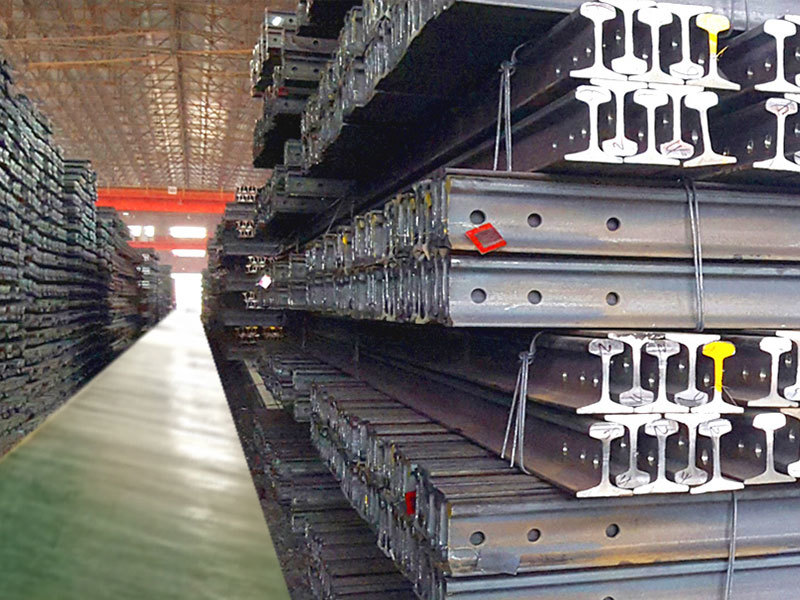
The abbreviation for light rail is light rail or light track. It refers to a type of railway that is laid with lightweight materials, resulting in a total weight that is much less than that of conventional railways, which is why it is called light rail. Light rail is a type of railway that exists in contrast to ordinary railways, while heavy rail is the common traditional railway.