How to maintain heavy rails?

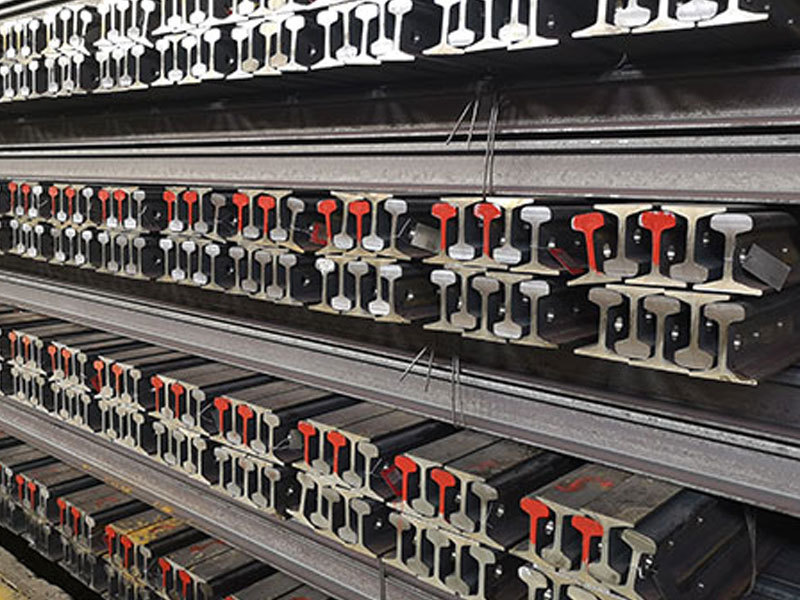
Heavy rails are tracks designed for the operation of heavy vehicles, not referring to the weight of the tracks themselves. Therefore, their applications are very extensive. However, we should also understand how to maintain heavy rails. Below, I will introduce this topic to everyone. If you are interested in this issue, you can learn more about it.

May 12,2022

Size

  Heavy railHeavy rail is the track for heavy vehicles to run on, not referring to the weight of the track itself. Therefore, its applications are very broad. However, we should also understand how to maintain heavy rail, and below I will introduce it to everyone. If you are interested in this issue, you can come to learn more.

Heavy rail plays a very important role during use. However, its maintenance is also very important. First, a new method for rust removal and rust prevention for heavy rail. This invention relates to a method for rust removal and rust prevention for steel. This invention uses a rust removal and rust prevention solution made from phosphoric acid, silicate cement, and water glass for rust removal and prevention of steel. In fact, everyone can also choose this method for maintenance and care. If heavy rail is maintained this way, then its rust removal speed is fast and the effect is good. In addition, it is important to know that after rust removal, heavy rail can generate a stable "primer" layer on the surface of the steel. Using this method, the rust resistance time under outdoor conditions is 2 months, and 6-12 months when kept indoors and not damp. Of course, it is low cost, simple and easy to implement, and pollution-free, so the method for maintaining heavy rail actually improves work efficiency by 30 times compared to manual rust removal. It also has multiple functions and is an ideal new method. If you have any questions, you can call us for consultation. There are online customer service personnel here to assist you, and they will patiently answer any questions you may have.

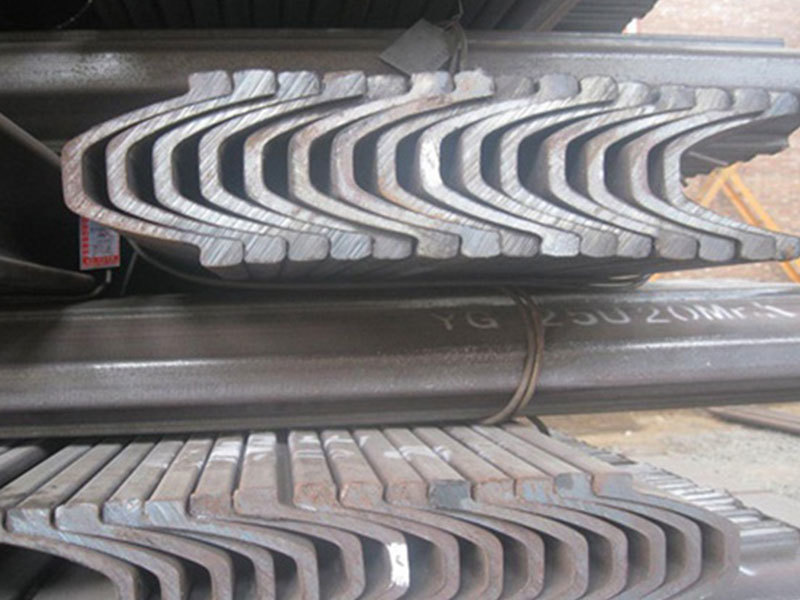
In addition, there are some other methods. For example, a room temperature high-efficiency oil and rust removal cleaning agent. In fact, this invention belongs to a room temperature high-efficiency oil and rust removal cleaning agent. Currently, during the production and processing of heavy rail, people take the process of first removing oil and then rust. At this time, it is simply divided into two steps, making the process cumbersome, difficult, and slow. Moreover, this maintenance method for heavy rail has low efficiency. Therefore, it is recommended to choose this method. This invention uses a combination of surfactants and sulfuric acid to develop a room temperature high-efficiency oil and rust removal cleaning agent, allowing oil and rust removal for heavy rail to be done in one step, which is also very good. It greatly reduces the processing procedures, significantly improves work efficiency, lowers energy consumption, and heavy rail has the advantages of wide application range, low investment, and high benefits. Our company has a complete and scientific quality management system and perfect after-sales service. Integrity, strength, and product quality have been recognized in the industry. We mainly operate light rail, heavy rail, crane tracks, mining steel, and mining U-shaped steel.

In summary, the above content has explained how to maintain heavy rail. I hope that friends in need can take a good look, so that it can help everyone in the future.


Previous Page

Detailed knowledge points about heavy rails: 1. **Definition**: Heavy rails refer to the type of railway track that is designed to support heavy loads and high-speed trains. They are typically made of steel and have a larger cross-section compared to light rails. 2. **Material**: Heavy rails are usually made from high-quality steel, which provides strength and durability. The steel is often treated to resist wear and corrosion. 3. **Weight**: The weight of heavy rails can vary, but they generally weigh between 50 to 80 kg per meter. The heavier the rail, the better it can handle the stresses of heavy trains. 4. **Applications**: Heavy rails are primarily used in mainline railways, where freight and passenger trains operate at high speeds and carry significant loads. 5. **Installation**: The installation of heavy rails requires specialized equipment and techniques to ensure proper alignment and stability. This includes the use of concrete sleepers and ballast to support the rails. 6. **Maintenance**: Regular maintenance is crucial for heavy rails to ensure safety and longevity. This includes inspections for wear and tear, alignment checks, and replacement of damaged sections. 7. **Advantages**: Heavy rails provide better stability and reduce the risk of derailment. They also offer a smoother ride for passengers and less wear on train wheels. 8. **Disadvantages**: The main disadvantages include higher costs for materials and installation, as well as the need for more robust infrastructure to support the weight of the rails.

Previous Page:

Detailed knowledge points about heavy rails: 1. **Definition**: Heavy rails refer to the type of railway track that is designed to support heavy loads and high-speed trains. They are typically made of steel and have a larger cross-section compared to light rails. 2. **Material**: Heavy rails are usually made from high-quality steel, which provides strength and durability. The steel is often treated to resist wear and corrosion. 3. **Weight**: The weight of heavy rails can vary, but they generally weigh between 50 to 80 kg per meter. The heavier the rail, the better it can handle the stresses of heavy trains. 4. **Applications**: Heavy rails are primarily used in mainline railways, where freight and passenger trains operate at high speeds and carry significant loads. 5. **Installation**: The installation of heavy rails requires specialized equipment and techniques to ensure proper alignment and stability. This includes the use of concrete sleepers and ballast to support the rails. 6. **Maintenance**: Regular maintenance is crucial for heavy rails to ensure safety and longevity. This includes inspections for wear and tear, alignment checks, and replacement of damaged sections. 7. **Advantages**: Heavy rails provide better stability and reduce the risk of derailment. They also offer a smoother ride for passengers and less wear on train wheels. 8. **Disadvantages**: The main disadvantages include higher costs for materials and installation, as well as the need for more robust infrastructure to support the weight of the rails.

recommend News


Saint Ark explains what light rail is.
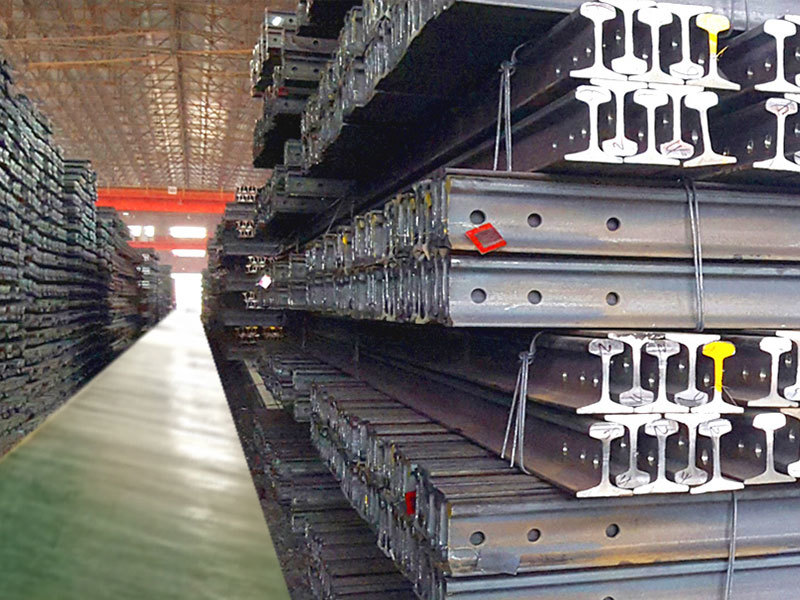
The abbreviation for light rail is light rail or light track. It refers to a type of railway that is laid with lightweight materials, resulting in a total weight that is much less than that of conventional railways, which is why it is called light rail. Light rail is a type of railway that exists in contrast to ordinary railways, while heavy rail is the common traditional railway.