- All
- Product Management
- News
- Introduction
- Enterprise outlets
- FAQ
- Enterprise Video
- Enterprise Atlas

Why is miner's steel superior to other types of steel?
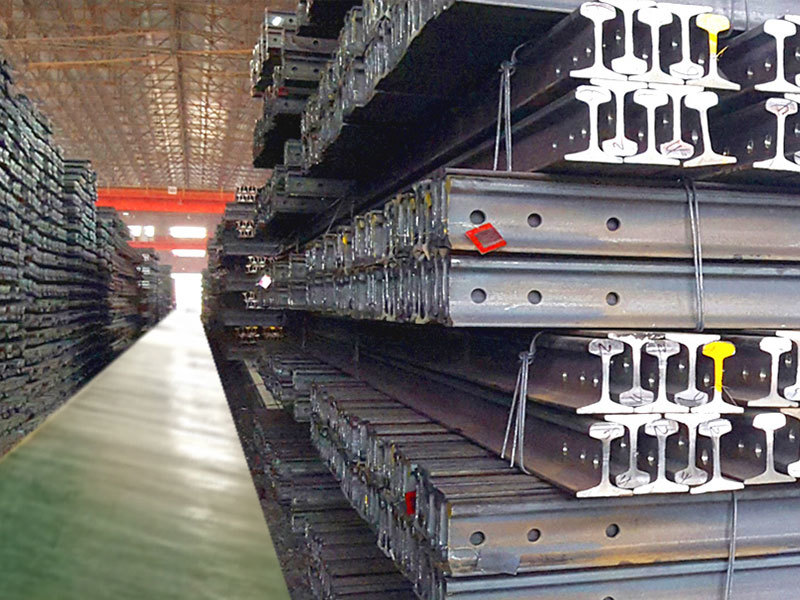
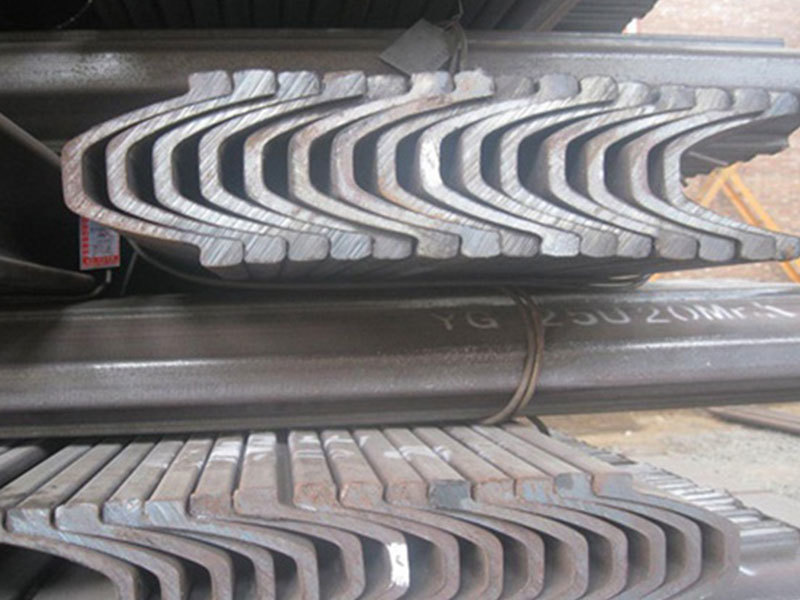
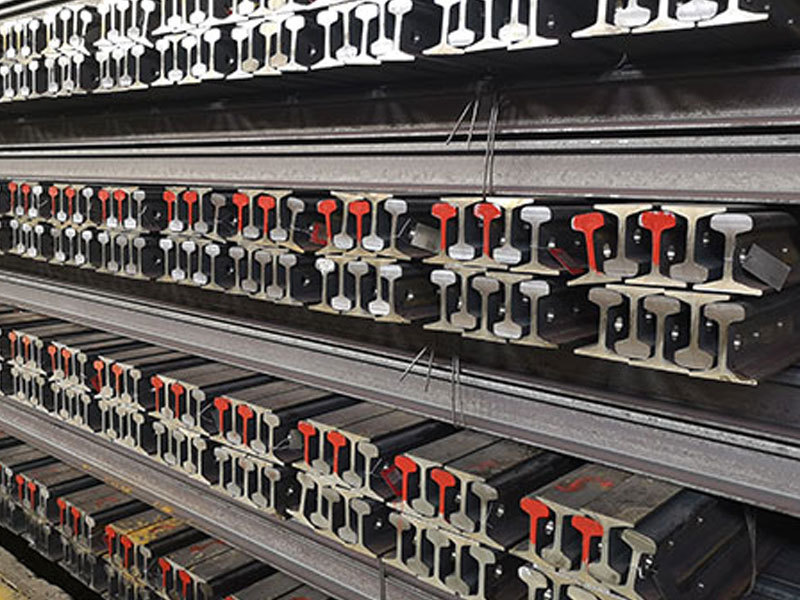
The flange thickness of the I-beam material is equal, and the high-temperature flat section and composite section are composed of three welded plates.Miner steelIt is a high-temperature flat profile. Due to poor production processes, the inner edge slope of the flange is 1:10. The high-temperature flattening of I-beam material is different from ordinary miner steel, which only uses a set of horizontal rollers. Due to its wide flanging and no slope (or small slope), a set of vertical rollers needs to be added for high-temperature flattening. Therefore, its high-temperature flattening process and equipment are more complex than ordinary rolling mills. The maximum port length of high-temperature flat I-beam material that can be produced in China is 800 mm, exceeding the port length of welded composite profiles.
High-temperature flat I-beam materials are divided into three categories: narrow flange, wide flange, and steel piles, with codes 工z and 工k respectively. Narrow flange I-beam materials are suitable for beams or bending components, while wide flange I-beams and I-beam piles are suitable for axial compression components or bending members. A comparison was made between miner steel and I-beam materials.
1. Miner steel has a small edge length and a large port length, and can only bear force in one direction.
2. I-beam materials have deep and thick grooves, capable of bearing force in two directions.
3. With the development of steel structure buildings, miner steel alone is not sufficient; thickened miner steel can easily lose stability when used for load-bearing columns.
4. Miner steel can only be used for beams, while I-beam materials can be used for structural load-bearing columns.
5. I-beam is an economical steel, with mechanical properties of the cross-section superior to miner steel. It is named because the cross-section shape is the same as the English letter "工". The flange of high-temperature flat I-beam material is wider than that of miner steel, with greater lateral stiffness and strong bending capacity. Under the same specifications, the weight of I-beam materials is lighter than that of miner steel.
6. The flange of miner steel is thicker than the web, with the outer side being thin; the flange of I-beam material is equal to the surface.
7. 工W, 工M, and 工N are general terms for I-beam materials, which are welded; 工W, 工M, and 工N are high-temperature flat.
8. 工W indicates that the port length of I-beam material is basically equal to the flange width; it mainly acts on the steel core column in reinforced concrete frame structures, also known as rigid steel columns; it mainly acts on the vertical columns in steel structures.
9. 工M is the ratio of the port length of I-beam material to the flange width, approximately 1.33 to 1.75; it mainly acts on steel structures: as steel frame columns, serving as frame beams in frame structures under dynamic loads.
10. N is the ratio of the port length of I-beam material to the flange width, greater than or equal to 2; it mainly acts on beams; Miner steel is equivalent to 工N steel.
Tag:
recommend News
Saint Ark explains what light rail is.