- All
- Product Management
- News
- Introduction
- Enterprise outlets
- FAQ
- Enterprise Video
- Enterprise Atlas

The characteristics and production of miner's steel.
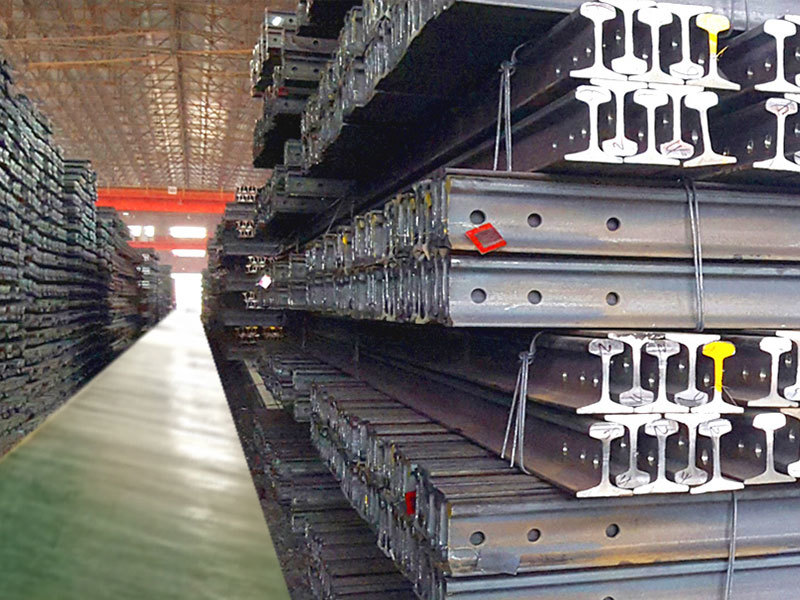
SalesMiner steelAlso known as steel beams, it is a type of long strip steel with an I-shaped cross-section. Miner steel is divided into ordinary miner steel, light miner steel, and H-shaped steel. Miner steel is widely used in various building structures, bridge miner steel, vehicle miner steel, support miner steel, mechanical miner steel, etc.
Chinese name: Miner steel
Miner steel English name: steel I-beam
Miner steel alias: steel beam
Definition of miner steel: The cross-section shape is miner steel.
Miner steel product specifications: 10#-45# Applicable range: construction sites, decoration, decoration product material: Q235B Length dimensions: 6M, 9M, 12M
Miner steel application disciplines: Materials Science and Technology (first-level discipline); Metal Materials (second-level discipline); Steel Materials (third-level discipline); Steel varieties (fourth-level discipline)
The concept of I-beam sales miner steel is also called steel beam (English name I-Beam), which is a type of long strip steel with an I-shaped cross-section. Miner steel is divided into ordinary miner steel, light miner steel, and H-shaped steel.
Miner steel is widely used in various building structures, bridges, vehicles, supports, machinery, etc. The flanges of ordinary miner steel and light miner steel gradually thin from the root to the edge and have a certain angle. The models of ordinary miner steel and light miner steel are represented by Arabic numerals indicating the height of the waist, with units in centimeters. The thickness of the web, flange thickness, and flange width are different, and its specifications are waist height (h) × leg width (b) × waist thickness (d) expressed in millimeters, such as "ordinary miner 160×88×6", which means the waist height of ordinary miner steel is 160mm, leg width is 88mm, and waist thickness is 6mm. "Light miner 160×81×5", which means light miner steel, waist height is 160mm, leg width is 81mm, and waist thickness is 5mm. The specifications of ordinary miner steel can also be represented by model numbers, where the model number indicates the waist height in centimeters, such as ordinary miner 16#.
For miner steel with the same waist height, if there are several different leg widths and waist thicknesses, it is necessary to add A-type miner steel, B-type miner steel, C-type miner steel model distinctions on the right side, such as ordinary miner 32#a type miner steel, 32#b type miner steel, 32#c type miner steel, etc. The specifications of hot-rolled ordinary miner steel are 10 -63#. The specifications of hot-rolled ordinary miner steel supplied by agreement between supply and demand parties are 12-55#.
Production process: Raw material preparation → Raw material heating → Rolling → Sawing or shearing → Cooling → Straightening → Surface cleaning → Packing → Weighing → Packaging → Storage.
Material characteristics of miner steel:
Ordinary miner steel and light miner steel, due to their relatively high and narrow cross-section dimensions, have a significant difference in the moment of inertia of the two main sleeves of the cross-section. They are used for bending components or forming lattice stress components. They are not suitable for axially compressed components or components that are perpendicular to the web plane and bent, which makes their application range very limited. The use of miner steel should be selected according to the requirements of the design drawings.
Tag:
Previous Page
Previous Page:
recommend News
Saint Ark explains what light rail is.