- All
- Product Management
- News
- Introduction
- Enterprise outlets
- FAQ
- Enterprise Video
- Enterprise Atlas

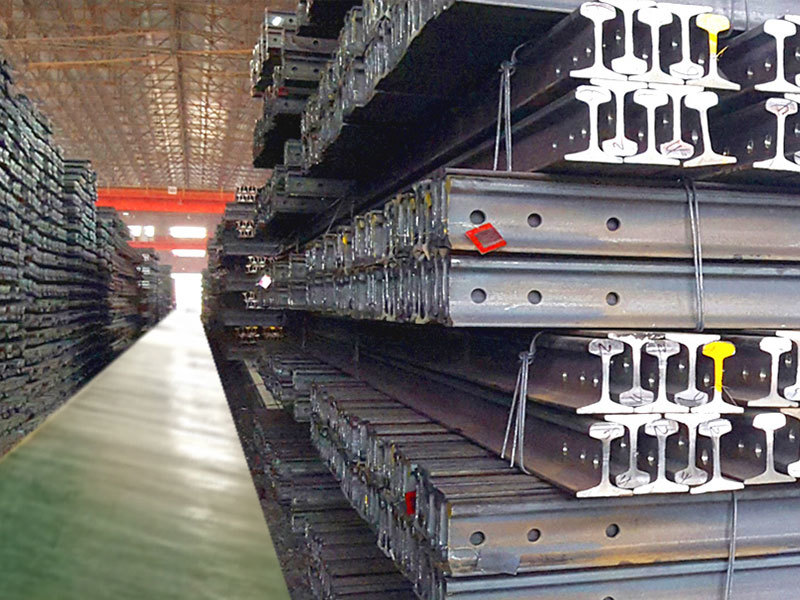
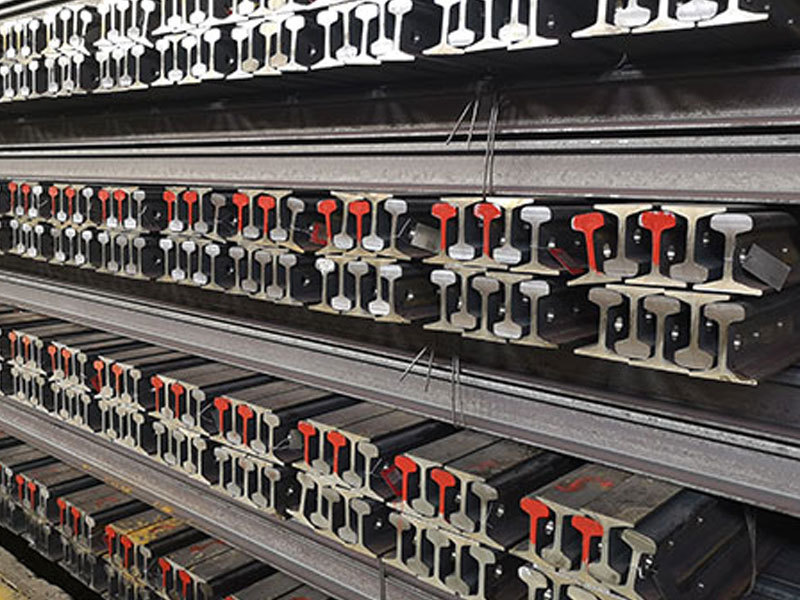
A hoisting rail is a type of rail system used in lifting and transporting heavy loads. It is typically installed in industrial settings, such as warehouses and factories, to facilitate the movement of materials and equipment. The hoisting rail allows for the attachment of hoists or cranes, enabling efficient vertical lifting and horizontal movement of items. This system enhances productivity and safety in operations involving heavy lifting.
Lifting railThe axial weight of the lifting rail is generally greater than 13 tons. Light rails are smaller than 13 tons. Generally, when in use, the radius of the horizontal curve is above 300 meters, while heavier tracks are generally between 100 meters and 200 meters. I hope everyone can understand these well before operating. In addition, the number of train formations must also be more than that of light rails, and the vehicle capacity must also be higher. At this time, the single-direction peak hour passenger flow that this lifting rail can accommodate is 30,000 to 60,000 people, while the light rail can accommodate a single-direction peak hour passenger flow of 10,000 to 30,000 people.
In addition, there are many points to pay attention to when using lifting rails. For example, the fracture of the lifting rail directly threatens driving safety and must be replaced in time. Rail cracking refers to the separation and cracking of part of the rail material, in addition to rail fracture. When using heavy-duty rails, wear mainly refers to lateral wear and wave wear of the rails on small radius curves. Its vertical wear is generally normal, so it is recommended to clearly understand this before operation.
It should also be noted that it increases with the increase of axle load and total weight. At this time, if the track geometry is set incorrectly, the vertical wear rate will accelerate, so it needs to be avoided. This can be resolved by adjusting the size of the track geometry. When trains pass through small radius curves, the wheels often contact at two points, and it should be noted that the lateral wear occurring at this time is significant.
According to the purpose and type of lifting equipment, lifting rails can be specialized, railway, straight optical axis, and p-type. Compared with ordinary railway steel rails, the top of the lifting equipment specialized steel rail is wider, has a relatively small height, and a thick rail waist, which helps improve contact with the wheels and bear horizontal loads. However, due to the high price, in most cases, the use of p-type rails is crucial.
Lifting rails have similar shapes and are fixed on cable trays or horizontal telescopic arms. The flange plates of I-beams can serve as car tracks. The premise is that the concrete structure and metal material beams vary in situation and should be selected based on actual conditions for on-site operations.
The joints of the lifting rail must advance in an orderly manner during the operation of the lifting equipment to reduce impact. The straightness, guardrails, and height difference between the two rail surfaces have a significant impact on operational characteristics and must be constructed according to the precision of standard specifications. The track must be firmly fixed and should not roll along the base. The possibility of deformation during use is relatively high, and the top of the track is prone to damage, so it is advisable to use removable structures such as anchor bolts to connect the track with the foundation for easy adjustment and disassembly.
Tag:
Previous Page
recommend News
Saint Ark explains what light rail is.