- All
- Product Management
- News
- Introduction
- Enterprise outlets
- FAQ
- Enterprise Video
- Enterprise Atlas

Overview of the Advantages of Lifting Rails
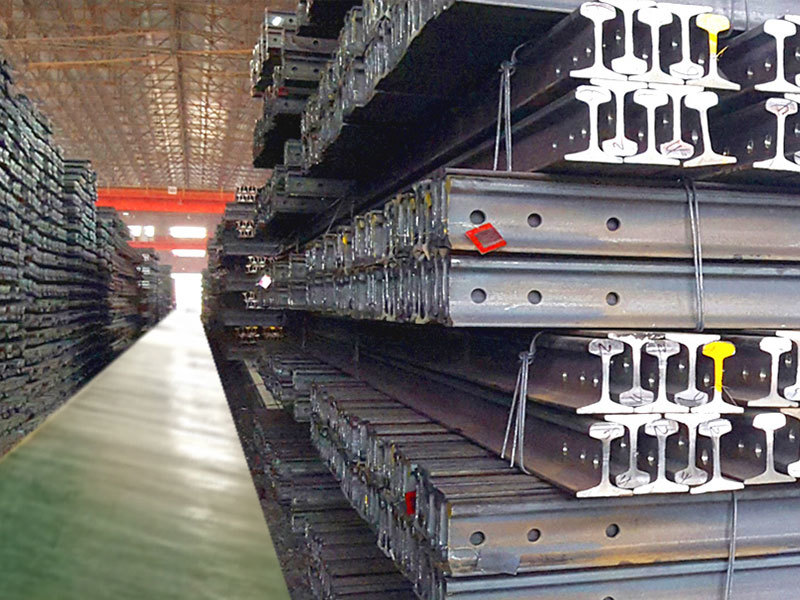
The lifting rail is a very popular product now, but many people still do not know its function. It is reported that the track structure is relatively simple, has strong adaptability during use, can work in various geographical environments, and has a wide range of main uses, which is why it is seen in various parts applicable to current industrial production. Moreover, the installation of the track is very flexible; if the track is heavy, it can be quickly installed in complex working environments in factories. By reducing a lot of installation work, the equipment discussed today can operate in a shorter time, overall improving the running speed of the chain.
In addition, it is important to know that it now has characteristics such as unlimited running distance, large load capacity, and operational freedom. For example, it can run on ground tracks or on the ground of the working area. The competition in the industry is becoming increasingly fierce, and only by continuously improving their products can companies remain invincible. There are various types of equipment on the market now, each product has various models, and even the same product is referred to differently in different places.
When derailing, it can run on the track during work, specially designed track wheels adapt to travel on the track, which can reduce ground friction, but it is still necessary to understand that the current transportation methods of the track limit the operating scenarios of the crane track vehicle. To solve this problem, designers have researched and developed the electric flat car—trackless trolley, which is also quite common. Therefore, its emergence is certainly a good supplement to the operating scenarios of cranes. In this way, companies can improve efficiency in their work, reduce the workload of workers, and bring huge benefits to the enterprise.
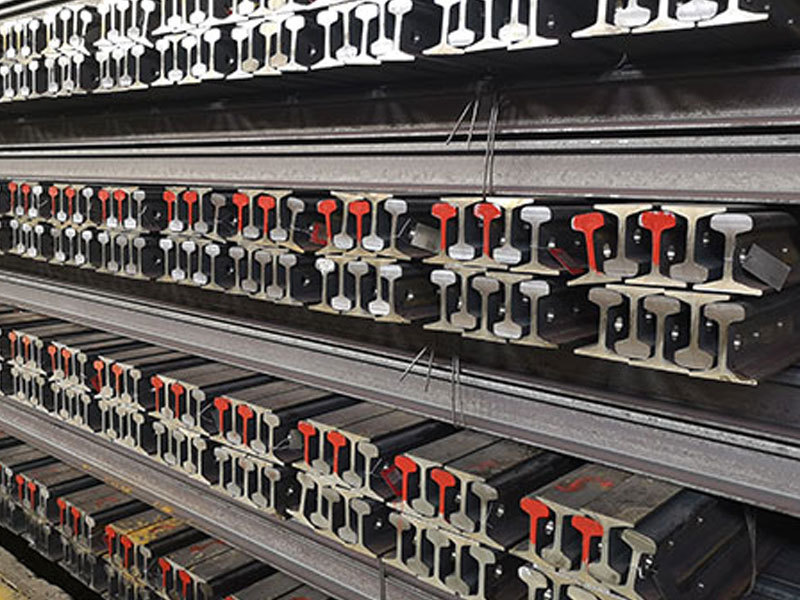
The lifting rail should be fixed on the traveling beam, and the trolley rail should be fixed on the main beam. When the crane is working, the track should not move laterally or longitudinally, and track adjustments are also very easy. Lifting rails come in specialized, railway, square, and P-type; square rails cause more wear on wheels and are rarely used now, while the majority of cranes use P-type rails. Establish a 'high wall and deep moat' for the installation and use of lifting rails.
The lifting rail is the basic track product used for crane operation. Regarding the reinforcement work during the installation process of the lifting rail, I will briefly summarize it for you.
1. Alloying of steel rails, which has a simple production process, low investment, low energy consumption, overall reinforcement of the steel rail, uniform surface hardness, and good weldability;
2. Heat treatment of carbon steel, which can also achieve high strength and hardness of the rail while maintaining good toughness, saving on alloys, and is suitable for mass production.
Tag:
Previous Page:
recommend News
Saint Ark explains what light rail is.