- All
- Product Management
- News
- Introduction
- Enterprise outlets
- FAQ
- Enterprise Video
- Enterprise Atlas

What are the main advantages of rail tracks?
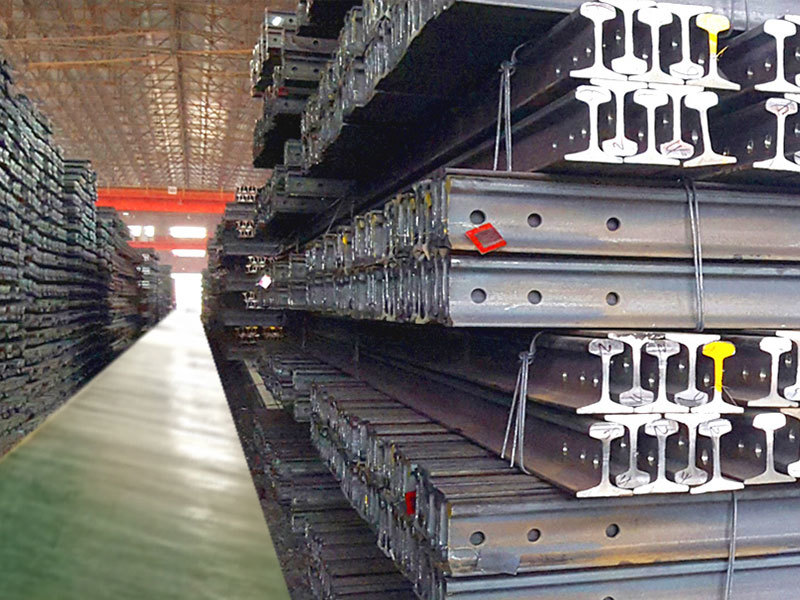
The development prospects of the rail industry are very good, as it brings many benefits to enterprises during use, making it very popular among customers. To help everyone understand it better, let's discuss some of the major advantages of rails. I hope this can help more people.
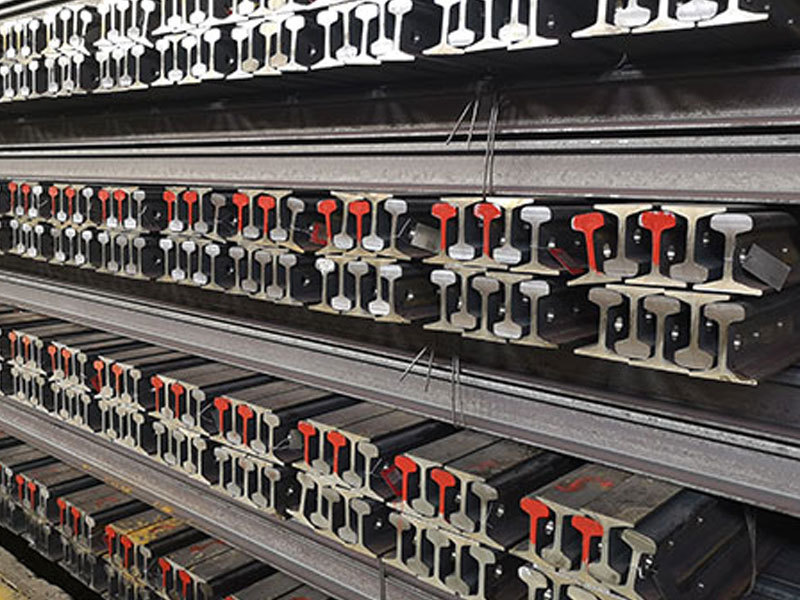
Nowadays, many people are still unaware of some basic information about rails. Therefore, as a manufacturer, it is necessary for us to briefly explain that rails actually have uniform chemical composition. After being melted in LF furnaces and converters and treated with VD, the chemical composition is stable and uniform, with small deviations and high dimensional accuracy. It can now automatically detect its flatness; product identification is clear, can be hot stamped, and the markings are clear and reliable; laser measurement offers various size options. Therefore, in addition to the above characteristics, rails also have wear resistance, pressure resistance, fatigue resistance, and good welding performance, making them world-class advanced rails. During the continuous production process, the rolling and straightening of the rail ends is quite challenging. During the rolling process, it is difficult to achieve the specified dimensional accuracy within a certain length range at the front and rear ends of the rail. Additionally, when straightening is required, in many roller straightening machines with alternating heavy rails, the area within about 1-2 millimeters (equal to the distance between two rollers) is known as the dead point. The area of the opening part makes it basically impossible to expect a correction effect.
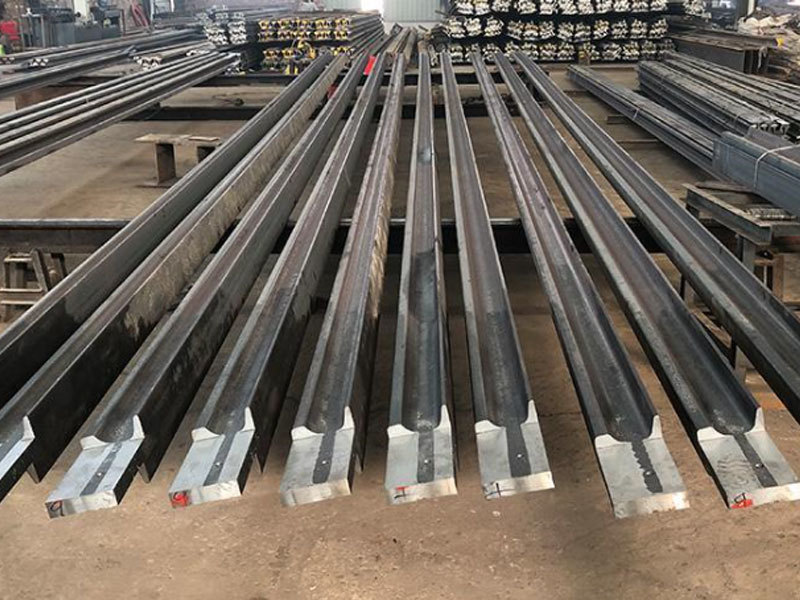
In addition, there is the issue of pressure correction, which is difficult to meet small dimensional accuracy and may not cope with stricter specifications in the future. Therefore, everyone should know that to solve the above problems existing in the use of heavy rails, a method and equipment for manufacturing rails are provided here, which can sequentially carry out a series of processes on the rails. Rail forming can improve productivity and product qualification rates. Additionally, hot-rolled rails are cooled to room temperature according to the actual rolling length and then cut to the specified length by at least three cold saws simultaneously. At least the head of the hot-rolled rail undergoes heat treatment cooled to a degree of 1 to 10. Alternatively, it can be maintained at a temperature above the austenite zone at a rate of 30 times per second. The length of the hot-rolled rail is between 100-200 meters. Alignment is completed or omitted before sawing. The formed parts are cut with cold rolling saws. A portion of the rail rolling length is cut to product length by at least three cold saws, while the remaining part is cut to product length by at least two cold saws set in the next step.
The above article provides some relevant information about the major advantages of rails introduced by the editor. If you were not aware of it before, you can take a look now. In the next issue, I will also share knowledge related to it. Remember to come and watch.
Tag:
Previous Page
Next Page
Previous Page:
Next page:
recommend News
Saint Ark explains what light rail is.